


Here’s the practical breakdown: what Media Opener is, how it behaves in After Effects, and where to grab it.
Media Opener is a opener built for After Effects. Think of Media Opener as a ready-made building block. It’s not meant to replace your style—just to get you to the finish line quicker (and with fewer headaches).
Resolution: 1920×1080. (Yes, those specs actually matter when you’re matching a client brief.)
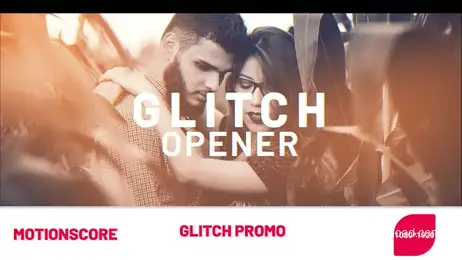
 Title Title |
Media Opener |
 Type Type |
Opener |
 Category Category |
Freebies |
 Compatible with Compatible with |
CC, CS6, CS5.5 |
 Resolution Resolution |
1920×1080 |
 File size File size |
50mb |
 Files included Files included |
After Effects Project Files |
 Published Published |
January 17, 2026 |
Preview Video
Preview video (kept exactly as provided):
Where it fits in your workflow
If you batch-produce content (reels, ads, short-form edits), Media Opener becomes even more useful. Reuse the structure, swap footage, export again. Repeat.
Where does it fit? Intros, social clips, YouTube segments, client promos—anywhere you need consistency across multiple videos. Drop it in, match it to your brand palette, and you’re basically set.
Customization
A quick tip: make one ‘master’ version in After Effects, save it, then duplicate for variations. That keeps your look consistent across projects.
Customization is straightforward: replace placeholders, adjust easing/timing, and update colors. If your footage is dark or high-contrast, a small color tweak can make the motion feel intentional.
Quick customization checklist
- Swap placeholders (footage, logos, text) and keep names tidy.
- Match colors to your brand palette—especially for overlays and titles.
- Adjust duration so it matches the rhythm of your cut (fast ads vs. slower explainers).
- Do a short test export before committing to the final render.
- Save one ‘master’ version, then duplicate for variations.
How to use it (step by step)
Extract the archive with WinRAR/7-Zip, then import the project/preset into your editing app.
- Download the archive from one of the mirrors below.
- Extract it using WinRAR or 7-Zip into a simple folder path.
- Open After Effects and import the project/template files.
- Let it load once (first open can be slower), then replace placeholders.
- Render a short preview, tweak timing, then export the final version.
Tips for cleaner results
- Do a 10-second test export first. It catches missing fonts and broken links before you waste time on a full render.
- If preview is choppy, drop playback resolution or use proxies. Your eyes don’t need full quality while you edit.
- When something looks off, it’s usually timing. Nudge the keyframes a little and it suddenly feels ‘yours’.
- Keep your folder paths short (C:/Projects/PackName). Long paths can cause missing links on some systems.
Rendering & performance
Color-managed pipelines (Log footage, LUTs, etc.) can change how overlays look. If needed, place the asset above your adjustment layer to keep it consistent.
Rendering notes: if you’re delivering for YouTube, H.264 is still the safe default. For clients who want flexibility, export a high-bitrate master first, then make smaller versions.
Troubleshooting
Templates are usually simple. The problems come from paths, versions, and missing fonts—so here’s the quick fix list:
- If fonts look wrong: install the fonts first, then restart After Effects. Fonts don’t always refresh until a restart.
- If import fails: the download may be incomplete. Try another mirror and re-extract with 7-Zip.
- If playback is slow: proxies + lower preview resolution. It’s not glamorous, but it fixes 90% of ‘lag’ complaints.
- If the project opens with missing media: re-link from the extracted folder. It’s almost always just file paths.
FAQ
Can I use it commercially?
Licensing depends on the original source. If you need commercial usage rights, use the correct license for your workflow and client agreements.
Will it work on older versions?
Older versions may open with warnings. Updating After Effects is the safest way to avoid missing features or broken expressions.
Do I need plugins?
Most assets are usable without extra plugins. If something requires a plugin, it’s typically mentioned in the details section or inside the project notes.
Real-world note
I’ll be honest: the fastest way to make any template feel ‘custom’ is to match it to your footage. If your shots are warm, nudge the colors warmer. If your edit is sharp and punchy, tighten the timing. That tiny bit of attention makes Media Opener stop looking like something you grabbed five minutes ago.
Also—keep your assets organized. One folder per pack, one backup copy, and clear naming. It’s boring admin work, sure, but it saves you from the classic ‘where did I put that version?’ panic when a client asks for changes right before delivery.
If you’re mixing this with other assets, try to standardize your project settings first (1920×1080 and a consistent frame rate). Consistency makes everything feel deliberate—even when you’re moving fast.
If you’re mixing this with other assets, try to standardize your project settings first (1920×1080 and a consistent frame rate). Consistency makes everything feel deliberate—even when you’re moving fast.
Download
Use the mirrors below to download Media Opener. If one mirror is slow, try another.
oppenit.com
katfile.com
pixeldrain.com
prefiles.com
fileblade.com
1fichier.com
gofile.com
nitroflare.com


